
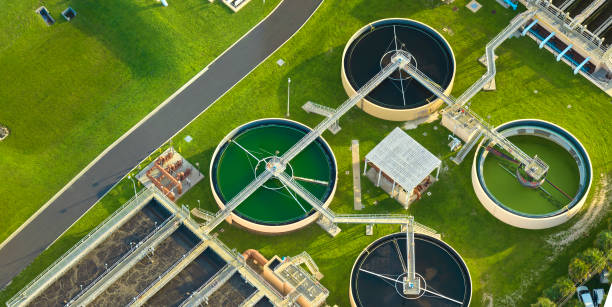
Water plays a critical role in industrial manufacturing — cooling, cleaning, processing, steam generation, and product formulation all depend on it. Without proper water management, manufacturing plants face operational problems, equipment damage, and production delays.
In Malaysia, demand for industrial water treatment has grown sharply. Stricter environmental regulations and rising concerns about water scarcity are pushing factories toward efficient treatment solutions that let them operate responsibly while meeting regulatory standards.
Several Malaysian industries depend heavily on reliable treatment — electronics manufacturing, food and beverage, palm oil processing, chemical manufacturing, and metal processing — each needing clean, controlled water quality to keep production efficient.
This guide explains how industrial water treatment works in Malaysia, and helps factory owners, plant managers, and facility engineers understand the systems, technologies, compliance requirements, and benefits of proper water management.
What Is Industrial Water Treatment and Why Is It Important?
Definition of Industrial Water Treatment
Industrial water treatment is the process of treating water used in industrial operations to remove contaminants, chemicals, and biological pollutants — making the water suitable for manufacturing processes and safe for discharge into the environment.
Treatment systems combine filtration, chemical treatment, and purification technologies to remove impurities that would otherwise damage equipment or affect product quality.
Why Manufacturing Plants Need Water Treatment
Manufacturing plants rely on treated water to keep production stable. Untreated water can carry minerals, chemicals, and microorganisms that cause serious operational problems. Factories need treatment to:
- Prevent equipment corrosion and scaling
- Maintain consistent product quality
- Reduce operational downtime
- Meet environmental and wastewater regulations
Common Industries Requiring Industrial Water Treatment
Many water-intensive Malaysian industries need advanced treatment, including:
- Semiconductor manufacturing
- Food processing plants
- Chemical production facilities
- Pharmaceutical manufacturing
- Palm oil processing
Each has unique water-quality requirements — which is why customised treatment systems are usually necessary.
Key Industrial Water Treatment Systems Used in Malaysia
Most industrial plants combine several of the systems below. Here’s how they compare:
System | Mainly removes | Typical use |
Filtration (sand, multimedia, cartridge) | Suspended solids, sediment, particulates | First-stage process water |
Reverse osmosis (RO) | Dissolved salts, heavy metals | High-purity water (electronics, pharma, F&B) |
Chemical treatment | Fine particles, pH imbalance, scale/corrosion, soluble pollutants, fine particles | Water conditioning and stabilising |
Biological treatment | Organic pollutants (BOD/COD) | Organic waste streams (F&B, palm oil) |
Recycling & reuse | Recovers water for secondary use | Cooling, cleaning, non-critical processes |
Filtration Systems
Filtration is one of the first stages of treatment, removing suspended solids, sediments, and particulate matter from raw water. Common technologies — sand filters, multimedia filters, and cartridge filtration — protect downstream equipment and improve overall water quality.
Reverse Osmosis Purification
Reverse osmosis uses a semi-permeable membrane to remove dissolved salts, heavy metals, and other contaminants, producing high-purity water for sensitive processes. Electronics and pharmaceutical industries rely on it heavily, and it also helps reduce scaling and corrosion in equipment.
Chemical Treatment Processes
Chemical treatment controls water chemistry during operation. Common processes include coagulation and flocculation to remove fine particles, pH adjustment for chemical balance, and chemical dosing to control scaling and corrosion.
Biological Treatment
Biological treatment uses microorganisms to break down organic pollutants, converting them into harmless byproducts before discharge. It’s widely used in food processing, palm oil production, and chemical industries.
Water Recycling and Reuse
Recycling systems let factories treat and reuse water instead of discharging it after a single use — cutting freshwater consumption and cost while supporting sustainability and long-term water conservation.
Not sure which combination your plant needs? Request a free water assessment → (https://www.switch-flow.com/contact-us/) — we’ll analyse your water source and processes and recommend the right system.
Components of an Industrial Water Treatment Plant
🖼️ 配图建议:一张能看到处理厂各阶段(预处理→过滤→消毒)的现场照。 alt: Stages of an industrial water treatment plant — pre-treatment, filtration and disinfection
Pre-Treatment Stage
Pre-treatment prepares raw water for purification — screening to remove debris, sediment removal, and chemical dosing to balance water chemistry. This protects filtration equipment and improves downstream efficiency.
Filtration and Purification
Filtration and purification remove fine particles, dissolved impurities, and organic contaminants using sand filters, membrane filtration, and activated carbon filtration — producing cleaner water suitable for industrial processes.
Disinfection and Final Polishing
After filtration, water usually passes through disinfection — UV systems or chlorination — to eliminate harmful microorganisms and ensure the water is microbiologically safe for use or discharge.
Sludge Handling and Waste Management
Treatment generates solid waste and sludge from removed contaminants. Proper collection, processing, and disposal per environmental guidelines is essential for compliance and pollution prevention.
Industrial Water Quality Standards in Malaysia
Manufacturing plants in Malaysia must follow strict discharge and pollution-control regulations enforced by the Department of Environment (DOE). Factories are required to install treatment systems that bring wastewater within permitted discharge limits, and non-compliance can bring fines, penalties, or operational restrictions. (For a full breakdown of DOE Standard A vs Standard B, see our guide to industrial wastewater treatment and DOE compliance in Malaysia.
Key Parameters Monitored
Regular monitoring keeps treatment effective and compliant. The core parameters:
Parameter | What it measures | Why it matters |
pH | Acidity / alkalinity | Scaling & corrosion control, compliance limits |
COD | Chemical oxygen demand | Total chemical + organic load |
BOD | Biological oxygen demand | Biodegradable organic load |
TSS | Total suspended solids | Particulate load and water clarity |
Monitoring these lets engineers confirm treated water meets standards — and adjust the process when it drifts.
Benefits of Industrial Water Treatment for Manufacturing Plants
Operational Efficiency
Clean water prevents equipment damage, corrosion, and mineral buildup, letting machinery run smoothly and reducing unexpected breakdowns. (For the full cost-and-efficiency picture, see how industrial water treatment improves production efficiency.
Cost Reduction
Treatment cuts operating costs over time through lower maintenance expenses, reduced equipment replacement, and less freshwater consumption via recycling.
Environmental Sustainability
Treating wastewater reduces pollution and protects local water bodies. Recycling and reuse further ease pressure on freshwater resources — and improve a company’s environmental reputation.
Regulatory Compliance
A proper system ensures pollutants are removed before discharge, keeping factories compliant with DOE standards and avoiding legal issues and penalties.
Water recycling helps reduce freshwater consumption and improve resource efficiency, delivering measurable environmental benefits. By tracking water recycled and freshwater savings, the company can demonstrate its sustainability progress in ESG reporting and showcase its environmental commitment to customers and stakeholders.
Running an ageing or underperforming system? An upgrade or troubleshooting service can restore compliance and efficiency without a full rebuild.
Choosing the Right Industrial Water Treatment Solution
Selecting the right system depends on factors unique to each plant:
- Water source quality
- Industrial process requirements
- Wastewater characteristics
Because every factory uses water differently, no single system fits all — customised design based on your specific water quality and production needs delivers better performance and long-term reliability. For a step-by-step framework, see our guide on how to choose the right treatment solution for your business.
Working with Experienced Specialists
Working with experienced specialists ensures systems are designed and installed correctly. Switch Flow analyses water quality, process requirements, and regulatory standards before recommending a solution, and provides ongoing maintenance and performance monitoring so systems keep running efficiently over time. (See examples of our work in the project gallery.)
Conclusion
Industrial water treatment is an essential part of modern manufacturing in Malaysia. As industries expand and regulations tighten, factories need efficient treatment systems to maintain both operational efficiency and compliance. Proper treatment protects equipment, improves production reliability, and ensures wastewater is safely managed.
By implementing advanced purification, filtration, and wastewater-management solutions, manufacturing plants can lower operating costs and support sustainability — while meeting regulatory standards. Partnering with experienced specialists lets you design a customised solution matched to your production needs and long-term goals.
If your facility is looking to improve water management and treatment efficiency, contact Switch Flow today.
FAQs
It’s the process of removing contaminants, chemicals, and pollutants from water used in manufacturing sites, so it’s safe to use in production or and to discharge into the environment.
Factories must treat water to protect equipment, ensure product quality, and comply with DOE regulations on wastewater discharge.
Common technologies include filtration systems, reverse osmosis, chemical treatment, biological treatment, and UV disinfection.
It depends on the water source, industrial process requirements, contamination levels, and regulatory compliance needs, a professional assessment is recommended.
Yes. Many industrial treatment plants include recycling and reuse systems that reduce freshwater consumption and improve sustainability.