
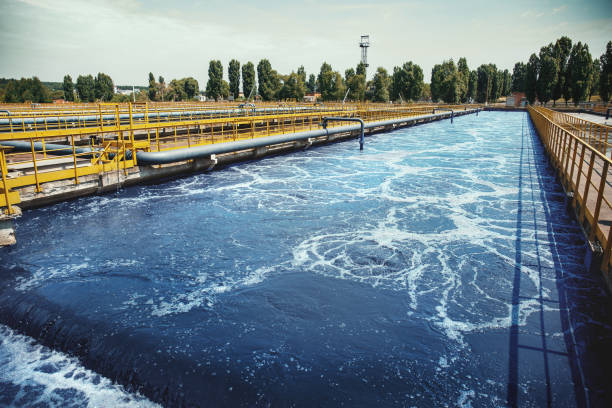
Why Industrial Wastewater Treatment Matters for Malaysian Industries
Industrial wastewater treatment is a critical aspect of modern industrial operations in Malaysia. It ensures that wastewater generated from factories and manufacturing processes is treated before being discharged into the environment. Proper treatment helps industries meet legal obligations while protecting natural water resources.
Beyond compliance, Industrial wastewater treatment in Malaysia provides strategic advantages for businesses. It supports sustainability initiatives, reduces operational costs, and promotes efficient resource management. Malaysian industries adopting modern treatment solutions demonstrate corporate responsibility and long-term planning.
Industrial wastewater treatment also safeguards the community and environment. Untreated wastewater can harm rivers, soil, and ecosystems. By implementing effective treatment systems, industries contribute to environmental preservation while improving public perception.
Environmental Advantages of Wastewater Treatment
Pollution reduction and regulatory compliance
Managing industrial effluents effectively is essential to reduce environmental pollution. Wastewater treatment ensures harmful chemicals, solids, and toxins are removed before water is released.
- Reduces harmful effluents discharged into rivers
- Helps industries comply with Malaysian environmental standards
Compliance with regulations not only avoids penalties but also enhances an industry’s reputation. Regular monitoring and treatment reinforce responsible environmental practices.
Promoting sustainability through water reuse
Water scarcity is a growing concern in Malaysia. Treating industrial wastewater allows businesses to recycle and reuse water for production processes, reducing dependence on freshwater sources.
- Recycling treated water for industrial processes
- Minimising freshwater consumption
By adopting water reuse strategies, industries lower operational costs and contribute to broader sustainability goals. This also aligns with government policies promoting efficient water management.
Resource recovery and circular economy benefits
Modern wastewater treatment systems can recover valuable resources from industrial effluents. Materials like metals, nutrients, and chemicals can be extracted and repurposed, supporting a circular economy.
- Extracting valuable materials from wastewater
- Turning waste streams into reusable resources
This approach not only reduces environmental impact but also creates economic value from materials that would otherwise be discarded. Resource recovery contributes to sustainable industrial growth in Malaysia.
Operational and Economic Benefits
Energy savings through optimized treatment processes
Efficient wastewater treatment processes can significantly reduce energy consumption. Modern technologies are designed to operate with minimal energy while maintaining high treatment standards.
- Efficient treatment reduces energy costs
- Incorporation of modern technologies for energy efficiency
Industries can invest in energy-saving solutions such as advanced filtration systems or automated control processes. This helps achieve operational efficiency and lowers overall production expenses.
Cost-effective water management
Industrial wastewater treatment enables businesses to manage water resources effectively, leading to financial savings. By reducing the need for fresh water and minimizing disposal costs, companies can improve their bottom line.
- Reduces expenses on freshwater and wastewater disposal
- Enhances long-term operational efficiency
Cost-effective water management also allows industries to allocate resources to other operational areas, strengthening overall competitiveness in the Malaysian market.
Protecting industrial assets and machinery
Untreated wastewater can corrode pipes, damage machinery, and create operational hazards. Treatment helps maintain water quality, ensuring equipment operates efficiently and lasts longer.
- Prevents corrosion and scaling caused by untreated wastewater
- Extends equipment lifespan and reduces maintenance
By protecting assets, companies reduce unexpected downtime and maintenance expenses. This translates into more reliable production and better investment returns over time.
Key Takeaways for Malaysian Industries
Implementing industrial wastewater treatment is no longer optional; it is a strategic necessity. Industries that invest in proper treatment systems improve their environmental footprint while achieving operational excellence.
Wastewater treatment supports corporate sustainability and CSR objectives. Businesses that prioritize environmental responsibility benefit from enhanced brand reputation and stronger stakeholder relationships.
In addition to environmental benefits, industries also experience measurable cost savings. Reduced freshwater consumption, energy-efficient processes, and lower maintenance expenses contribute to overall operational efficiency and competitiveness in Malaysia.
Conclusion
Industrial wastewater treatment in Malaysia is not just a legal requirement—it is a smart investment for sustainable business growth. By reducing pollution, promoting water reuse, and improving resource efficiency, industries can operate responsibly while achieving financial and operational advantages. Implementing modern wastewater treatment solutions protects industrial assets, enhances efficiency, and supports Malaysia’s environmental goals. Investing in these systems ensures a cleaner environment, stronger corporate reputation, and long-term business performance. If you are ready to enhance your industrial water management strategy, contact us today to learn more about effective wastewater treatment solutions.
FAQs
It is the process of treating wastewater generated by industrial activities to remove pollutants and make it safe for discharge or reuse.
Through water reuse, energy-efficient processes, and reduced disposal costs, industries lower operational expenses.
Yes, treated water can be recycled back into industrial processes, reducing freshwater demand.
Yes, industries must comply with regulations to prevent environmental pollution and maintain sustainability standards.
It minimizes environmental impact, supports circular economy initiatives, and aligns with corporate CSR goals.