
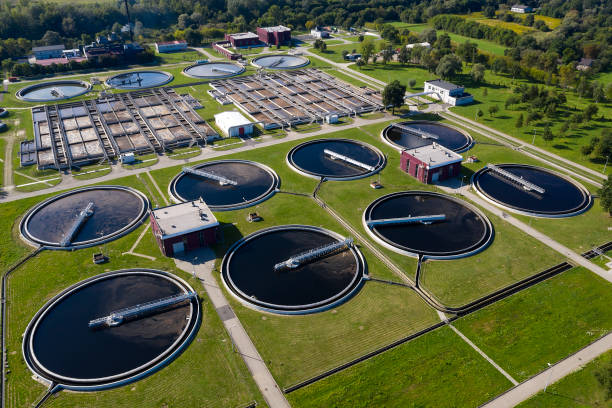
Many plant managers in Malaysia ask the same question: how does industrial water treatment actually improve efficiency? The answer comes down to three things — energy control, equipment protection, and operational reliability.
Water isn’t just a supporting utility in a factory. It’s a core operational input that directly affects both cost and productivity. In Malaysian plants, water runs boilers, cooling towers, processing lines, cleaning systems, and heat exchangers. When its quality drifts, performance drops, energy use climbs, and equipment wears out faster than it should.
Industrial water treatment keeps that chemistry stable and system conditions under control. That stability protects your assets, lowers running costs, and lifts production output across the plant.
Why Water Quality Directly Impacts Manufacturing Performance
Water touches almost every mechanical and thermal system in a factory. Its chemical composition affects heat transfer, pressure generation, and flow efficiency — and even small imbalances chip away at performance over time.
Left untreated, minerals and contaminants build up inside pipes and equipment. These deposits restrict flow and trap heat, dragging down overall efficiency month after month.
The Hidden Cost of Poor Water Quality in Malaysian Factories
Untreated water carries dissolved solids, hardness minerals, and biological contaminants that slowly damage internal components and push up maintenance needs. The financial hit is usually hidden inside rising operating expenses.
A plant might notice more frequent repairs and shorter equipment life without ever connecting it to water quality. Over months and years, those hidden costs quietly eat into profitability.
Energy Losses Caused by Scaling and Fouling
Scaling forms when hardness minerals precipitate on heated surfaces. That thin layer reduces heat transfer and forces systems to burn more fuel or draw more electricity — even a minor build-up raises energy demand.
Fouling does similar damage on the cooling side, restricting circulation and cutting cooling efficiency. Pumps and compressors then have to work harder to hold production levels, pushing power consumption up across the facility.
Equipment Lifespan Reduction from Untreated Process Water
Corrosive water weakens metal from the inside. Pipes, valves, and heat exchangers deteriorate faster under unstable chemistry, leading to premature failure and expensive replacements.
Proper treatment preserves those internal surfaces and extends equipment life — reducing capital spend and improving long-term stability.
Compliance Risks and Production Interruptions
Industrial facilities in Malaysia must follow the discharge regulations enforced by the Department of Environment (DOE). Poor water management raises the risk of non-compliance, and violations can bring fines or even shutdown orders. Well-run treated-water systems keep you consistently compliant and avoid those costly interruptions.
Not sure where your biggest water losses are hiding? Request a free plant water assessment → (/contact) — we’ll pinpoint the scaling, corrosion, and energy leaks specific to your facility.
Reduce Boiler Scaling to Improve Energy Efficiency
Boilers are among the most energy-intensive systems in any plant, and controlling scale inside them is one of the most direct ways to improve energy efficiency and rein in fuel costs. Scale build-up is still one of the most common causes of wasted energy.
When mineral deposits coat the inside of boiler tubes, heat transfer becomes inefficient — the boiler has to burn more fuel to produce the same amount of steam.
How Scale Formation Increases Fuel Consumption
Scale acts as insulation between the heat source and the water. That insulating layer lowers thermal efficiency and raises fuel demand; even a thin layer of scale can noticeably increase operating costs. As fuel use climbs, so do production costs — and long-term scale exposure also adds mechanical stress inside the system.
The Impact of Hardness Minerals in Malaysian Raw Water
Raw water in many parts of Malaysia carries calcium and magnesium. Under high temperatures, these hardness minerals precipitate and form deposits inside boilers. Without softening or proper chemical conditioning, scale builds up quickly — so continuous monitoring and treatment are what keep performance steady.
Boiler Feed Water Treatment Best Practices
Effective boiler treatment focuses on three things: hardness removal, pH balance, and dissolved-solids control. Water softeners and controlled chemical dosing stabilise internal conditions, while routine testing keeps feed-water quality inside safe operating limits. Consistent management is what supports reliable steam production.
Measurable Cost Savings from Proper Treatment
Plants that get boiler scaling under control typically see fuel savings almost immediately — better heat transfer means lower energy demand. Fewer breakdowns and less frequent maintenance add to the return, and over time these savings justify the investment in a professional treatment system.
Cooling Tower Corrosion Control and System Stability
Cooling systems regulate process temperatures and protect equipment from overheating. Without proper corrosion control, that performance steadily declines — corrosion damages internal surfaces and weakens structural integrity. Keeping the water chemistry balanced protects the system and holds heat-exchange efficiency steady.
Why Corrosion Disrupts Heat Exchange Efficiency
Corroded metal surfaces turn rough and uneven, which reduces effective heat transfer and caps system efficiency. In severe cases, corrosion leads to leaks and instability — and reduced cooling efficiency then hurts product quality while pushing energy use up.
The Role of Chemical Dosing and Monitoring
Corrosion control depends on precise chemical management. Corrosion inhibitors and scale-control chemicals help to protect internal components from degradation, and automated monitoring keeps that chemical balance consistent — which reduces both corrosion and unnecessary chemical waste.
Preventing Biofouling and Microbial Growth
Warm cooling environments encourage bacterial growth. Microbial build-up forms biofilms that restrict flow and cut heat-exchange efficiency. Proper biocide programmes and routine inspections keep systems clean, so they run more efficiently and reliably.
Long-Term Asset Protection Through Proper Treatment
Cooling towers are a major capital investment. A structured treatment programme extends their life and lowers repair costs — giving you consistent performance and more predictable operational planning.
Industrial RO Systems: Ensuring Process Water Reliability
For manufacturers that need consistent, controlled process water, industrial reverse osmosis (RO) systems are the reliable answer. RO removes dissolved salts, silica, and impurities that would otherwise destabilise your systems — and for high-precision industries, that consistency is essential.
How RO Systems Improve Water Consistency
RO membranes filter contaminants at a molecular scale, reducing variability in mineral content and improving process reliability. Stable input water supports consistent product quality and lower defect rates.
Protecting Sensitive Manufacturing Equipment
High-purity water protects sensitive production equipment in electronics, pharmaceutical, and food sectors, where impurities can damage components and compromise output. RO-treated water minimises those risks and improves equipment reliability.
RO for Semiconductor and High-Purity Applications
Semiconductor production needs extremely pure water to prevent microscopic contamination — even trace impurities can affect product integrity. RO systems and ultra-pure water systems in these facilities usually add further purification stages to meet strict quality standards.
Optimising Recovery Rates for Cost Efficiency
Modern RO systems are designed to maximise water recovery while keeping energy use low. An efficient configuration reduces waste, lowers operating costs, and balances performance with long-term financial efficiency.
Running electronics, pharma, or F&B lines? High-purity water can make or break your yield. Talk to our RO specialists → (/contact)
Water Recycling in Factories to Reduce Operational Costs
Water recycling is becoming a priority for Malaysian factories as water costs rise and sustainability targets tighten. Reusing water reduces dependence on freshwater, and properly treated wastewater can safely support non-critical processes.
Reusing Treated Process Water Safely
Advanced treatment lets process water be reused for cooling or cleaning, with strict quality control ensuring safety and reliability. Safe reuse cuts overall water consumption without affecting performance.
Lowering Freshwater Intake Costs
Lower intake means lower water-procurement expenses. Over time, controlled usage stabilises operating budgets and makes financial planning more predictable.
Supporting ESG and Sustainability Targets
Water recycling strengthens your environmental performance metrics. Reduced discharge volumes demonstrate responsible resource management — which enhances corporate reputation and keeps you aligned with regulators.
Reducing Wastewater Discharge Volumes
Lower discharge volumes reduce wastewater treatment costs and make compliance easier when effluent loads are minimised. (For a deeper look at discharge rules, see our guide to industrial wastewater treatment and DOE compliance in Malaysia.)
How Industrial Water Treatment Reduces Downtime
One of the biggest advantages of a professional treatment programme is fewer failures. Stable water conditions prevent problems before they escalate, supporting uninterrupted production and reducing operational uncertainty.
Predictive Maintenance Through Water Monitoring
Modern monitoring tracks key water parameters in real time. Early detection of imbalance allows timely corrective action, so small issues never grow into major disruptions.
Avoiding Emergency Shutdowns
Scaling, corrosion, and sludge build-up are common causes of unexpected shutdowns. Consistent treatment minimizes the internal damage and blockages that trigger them — protecting production schedules and revenue.
Sludge and Fouling Prevention Strategies
Regular blowdown control and routine inspections help manage sludge from accumulating, keeping flow efficient and heat exchange stable. Preventive care is what delivers long-term reliability.
Performance Improvements in Malaysian Plants
Manufacturing facilities across Malaysia report better uptime after adopting structured treatment programmes, with lower energy consumption and less frequent maintenance.
Partnering with the Right Water Treatment Expert in Malaysia
Every facility has its own water chemistry and operational needs, so a customised solution always outperforms a generic one. Switch Flow’s engineering expertise ensures optimal system performance, long-term reliability, and measurable efficiency gains across your operations.
Why Custom System Design Matters
A good system design accounts for raw water quality, production requirements, and discharge standards. Tailored engineering ensures compatibility with your existing infrastructure and maximises both efficiency and reliability.
Local Compliance Expertise (DOE Malaysia Standards)
Understanding the requirements set by the Department of Environment is essential for operational continuity. Experienced providers make sure your monitoring and reporting meet regulatory expectations — reducing compliance risk and protecting your business.
Preventive Maintenance and After-Sales Support
Ongoing maintenance keeps performance consistent. Scheduled inspections catch potential issues early, and reliable support protects the long-term value of your investment.
Long-Term Performance Monitoring and Optimisation
Continuous evaluation surfaces opportunities to improve. Data-driven optimisation raises system efficiency over time and keeps operations running at their best.
Conclusion
Water quality directly shapes operational efficiency, production reliability, and cost control in Malaysian manufacturing. By reducing boiler scaling, controlling cooling tower corrosion, deploying reliable industrial RO systems, enabling water recycling, and minimising unplanned downtime, manufacturers can meaningfully strengthen performance.
A professionally engineered industrial water treatment system delivers measurable energy savings, extends equipment life, keeps you compliant, and supports your sustainability goals. It’s not just a maintenance line item — it’s a strategic decision that improves both financial and technical performance over the long term.
Ready to protect your operations and cut waste? Contact Switch Flow today to discuss a customised industrial water treatment solution tailored to your facility.
FAQs
It prevents scaling, corrosion, fouling, and system breakdowns which reduces energy consumption and avoids costly downtime.
Scale acts as insulation inside boiler tubes, forcing the system to burn more fuel to generate steam. Proper treatment restores heat transfer efficiency and lowers energy costs.
Corrosion reduces heat-exchange efficiency, damages equipment, and raises maintenance costs. Controlling the water chemistry extends system life.
No. But industries that need high-purity or highly consistent water — such as semiconductor and F&B benefit significantly.
Yes. Recycling treated water lowers freshwater procurement costs, and supports ESG goals.
Consistent monitoring and preventive maintenance eliminate the unexpected failures caused by fouling, corrosion, and sludge build-up.