
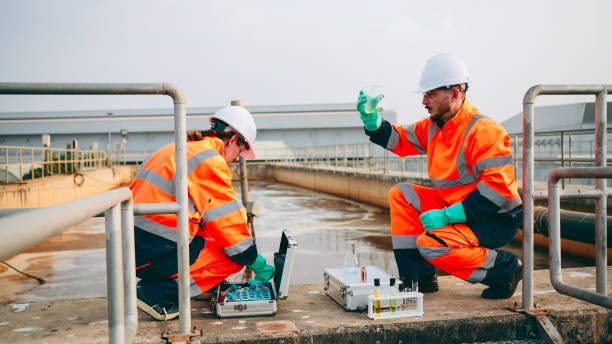
Enhancing Production Efficiency with Industrial Water Treatment
Industrial water treatment plays a crucial role in improving production efficiency for factories across Malaysia. Consistently high-quality water is essential for smooth manufacturing operations, ensuring that equipment functions effectively and downtime is minimized. Proper water management helps industries maintain productivity while meeting environmental and regulatory standards.
Investing in industrial water treatment with Switch Flow is not just about compliance; it is a strategic business decision. By optimizing water usage, reducing contamination, and protecting equipment, factories can achieve more reliable operations. This contributes to overall efficiency and cost savings in the long term.
Moreover, industrial water treatment supports sustainable manufacturing practices. Malaysian factories adopting advanced water treatment solutions demonstrate corporate responsibility and enhance their competitiveness in environmentally conscious markets.
Improving Process Efficiency and Water Quality
Ensuring consistent water quality for industrial processes
Maintaining uniform water quality is essential for preventing equipment damage and process disruptions. Untreated or inconsistent water can cause scaling, corrosion, and operational inefficiencies.
- Prevents equipment scaling and corrosion
- Maintains reliable operations and reduces downtime
Consistent water quality ensures smooth manufacturing processes and protects high-value machinery, resulting in fewer interruptions and better overall efficiency.
Optimizing water usage through recycling
Recycling treated water allows factories to make the most of available water resources. This practice reduces the need for freshwater intake and ensures a steady supply for industrial processes.
- Reusing treated water for manufacturing processes
- Reduces freshwater consumption and operational dependency
By implementing water recycling strategies, Malaysian factories can lower water procurement costs and contribute to sustainable water management practices.
Role of chemical treatment in efficiency
Chemical treatment is vital for controlling contaminants and maintaining system balance. Proper dosing prevents scaling, corrosion, and microbial growth in boilers, cooling towers, and other industrial systems.
- Controlling contaminants and maintaining system balance
- Enhances the performance of boilers, cooling towers, and other systems
Effective chemical treatment ensures that machinery operates at optimal efficiency, reducing maintenance needs and prolonging equipment lifespan.
Cost Reduction and Sustainable Manufacturing
Lowering operational costs
Industrial water treatment directly impacts operational costs by reducing water and maintenance expenses. Efficient systems decrease reliance on expensive freshwater and minimize equipment repair needs.
- Reduced water bills through recycling
- Fewer maintenance and repair expenses due to cleaner systems
Investing in water treatment infrastructure can generate long-term savings, making it a cost-effective solution for Malaysian manufacturers.
Supporting sustainable manufacturing goals
Sustainable manufacturing is increasingly important in Malaysia’s industrial sector. Water treatment reduces environmental impact by minimizing water withdrawal and wastewater discharge.
- Minimizing environmental impact through efficient water use
- Aligning with corporate sustainability initiatives
By prioritizing sustainability, factories not only comply with regulations but also improve their reputation and market positioning.
Protecting industrial assets
Treating industrial water helps protect machinery and equipment from damage caused by impurities. Clean, well-managed water reduces wear and tear, preventing costly downtime.
- Extending equipment lifespan
- Reducing downtime and improving overall productivity
Well-maintained equipment ensures consistent production quality and efficiency, giving Malaysian factories a competitive advantage.
Key Takeaways for Malaysian Factories
Industrial water treatment provides a comprehensive approach to improving efficiency and sustainability in factories. High water quality and optimized chemical treatment reduce the risk of equipment damage and operational interruptions.
Water recycling offers both environmental and financial benefits, lowering costs while supporting corporate sustainability initiatives. Implementing proper water management practices strengthens productivity, ensures reliable operations, and enhances long-term business performance.
Factories that prioritize water treatment position themselves as responsible, efficient, and forward-thinking, benefiting both their operations and the wider community.
Conclusion
Industrial water treatment in Malaysia factories is a strategic investment that enhances production efficiency, reduces costs, and supports sustainable manufacturing practices. By ensuring consistent water quality, optimizing water recycling, and applying effective chemical treatments, factories can prevent equipment damage, reduce operational expenses, and maintain reliable production processes. Prioritizing water management is essential for long-term business growth, operational reliability, and environmental responsibility. For expert industrial water treatment solutions tailored to your factory’s needs, contact us today to learn more.
FAQs
It is the process of treating water used in industrial operations to ensure high quality, prevent contamination, and improve system efficiency.
Reusing treated water reduces freshwater consumption, ensures consistent supply, and lowers operational costs.
Yes, it controls scaling, corrosion, and microbial growth, extending equipment lifespan and reducing maintenance.
By recycling water, reducing energy usage, and minimizing environmental impact, it aligns with sustainability goals.
Yes, the long-term savings from reduced water bills, maintenance costs, and improved productivity outweigh initial investment costs.